
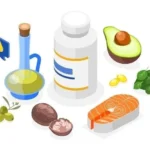


Switzerland, renowned for its high quality of life and healthcare, is witnessing a growing interest in longevity supplements. These products aim to slow down aging, improve healthspan (years lived in good health), and potentially extend lifespan. This article provides a detailed overview of the landscape, popular supplements, regulations, and considerations for consumers in Switzerland.
The Swiss Approach to Longevity
The Swiss focus on preventative healthcare and wellness aligns perfectly with the longevity movement. Rather than solely treating illness, there’s increasing emphasis on maintaining optimal health throughout life. This translates to a demand for supplements backed by scientific research, a characteristic highly valued by Swiss consumers.
Popular Longevity Supplements in Switzerland
Several supplements are gaining traction in Switzerland, driven by research and anecdotal evidence. Here’s a breakdown:
- NMN (Nicotinamide Mononucleotide): A precursor to NAD+, a coenzyme crucial for cellular energy and repair. Popular for boosting energy levels and potentially improving metabolic health.
- Resveratrol: Found in grapes and red wine, resveratrol is an antioxidant linked to cardiovascular health and anti-aging effects.
- Curcumin: Derived from turmeric, curcumin possesses potent anti-inflammatory properties, potentially protecting against age-related diseases.
- CoQ10 (Coenzyme Q10): Essential for mitochondrial function and energy production. Levels decline with age, making supplementation potentially beneficial.
- Vitamin D3: Crucial for bone health, immune function, and potentially longevity, especially important during Switzerland’s winter months.
- Omega-3 Fatty Acids: Support heart health, brain function, and reduce inflammation.
- Spermidine: A polyamine found in foods like wheat germ, linked to autophagy (cellular cleaning) and improved cognitive function.
Regulation and Quality Control
Switzerland has stringent regulations regarding health products. Supplements are categorized as food supplements and are governed by the Swiss Food Law. This law ensures:
- Safety: Supplements must be safe for consumption.
- Labeling: Accurate and transparent labeling of ingredients and dosages is mandatory.
- Quality: Manufacturers are responsible for ensuring product quality.
However, regulation doesn’t equate to pre-market approval. Supplements generally don’t require approval before being sold, but are subject to post-market surveillance. Look for products with Swiss quality seals (like Swissmedic authorization for manufacturing) to ensure adherence to high standards.
Considerations for Consumers
Before starting any longevity supplement regimen, consider these points:
- Consult a Healthcare Professional: Discuss your health status and potential interactions with existing medications.
- Research the Brand: Choose reputable brands with transparent sourcing and third-party testing.
- Dosage: Follow recommended dosages carefully. More isn’t always better.
- Realistic Expectations: Supplements are not magic bullets. They work best as part of a healthy lifestyle (diet, exercise, sleep).
- Cost: Longevity supplements can be expensive. Factor this into your budget.
Future Trends
The longevity supplement market in Switzerland is expected to grow. Expect to see increased research into novel compounds, personalized supplement recommendations based on genetic testing, and a greater focus on bioavailability and delivery methods.